In the heart of Madrid, between the streets that connect the Puerta del Sol with the Paseo del Prado, lies one of the most unique neighborhoods in Europe: the Barrio de las Letras. This corner of the Spanish capital is not just a geographical location, but a space where literature became history and where the great names of the Spanish Golden Age left their indelible mark.
Historical Origins: The Spanish Golden Age
During the 16th and 17th centuries, Spain experienced its Golden Age, a period of cultural splendor that produced some of the most important literary works in universal history. Madrid, as the capital of the empire, became the epicenter of this creative explosion. The Barrio de las Letras, then known as the Barrio de las Musas, became the preferred residence of the most prominent writers of the era.
The choice of this neighborhood was no coincidence. Its proximity to the court, its affordable prices, and its artistic atmosphere made it the ideal place for artists and writers seeking inspiration and patronage.
Miguel de Cervantes: The Genius of Don Quixote
Miguel de Cervantes Saavedra, author of "The Ingenious Gentleman Don Quixote of La Mancha," spent his last years in the Barrio de las Letras. His house was located on the street that today bears his name, Calle de Cervantes, where he wrote the second part of his masterpiece and other important works such as "The Trials of Persiles and Sigismunda."
Cervantes died on April 22, 1616, and was buried in the Convent of the Barefoot Trinitarians, located on Calle Lope de Vega. Although the exact location of his tomb was lost for centuries, in 2015 a search was initiated that culminated in the discovery of his remains, confirming his permanent connection with this neighborhood.
Lope de Vega: The Phoenix of Wits
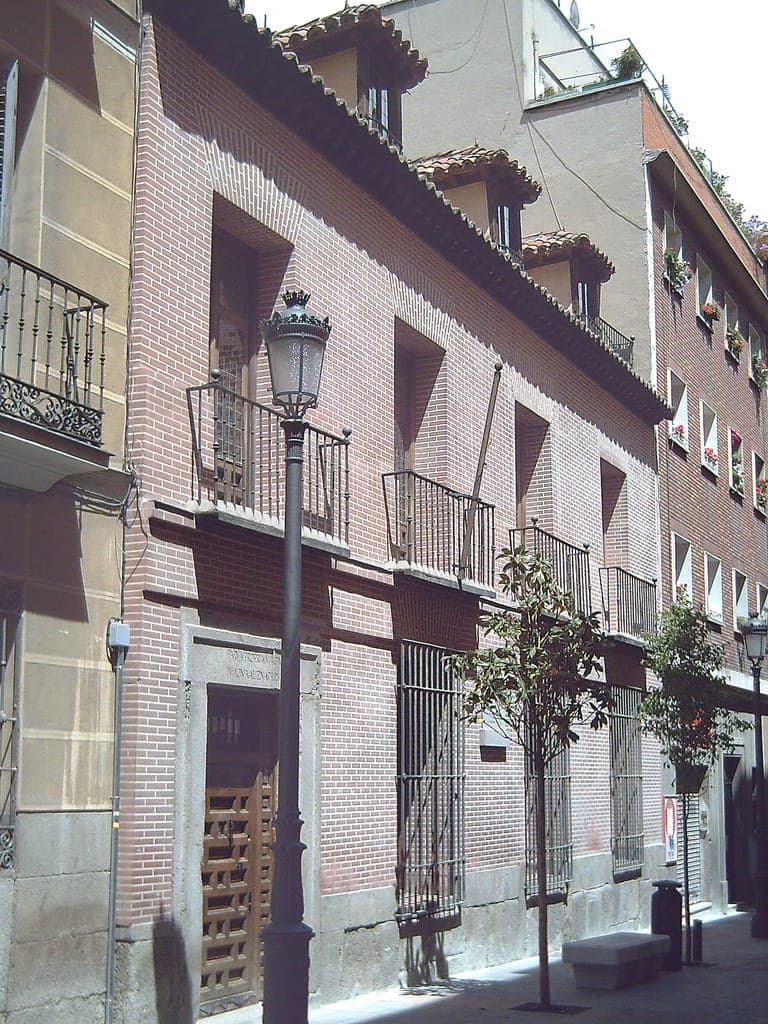
Félix Lope de Vega y Carpio, known as the "Phoenix of Wits" for his prodigious creative capacity, lived for more than 25 years in a house on Calle de Cervantes. The Lope de Vega House Museum, preserved just as it was in the 17th century, is one of the most visited places in the neighborhood and offers a unique window into everyday life of the era.
Lope de Vega wrote more than 1,500 plays, as well as numerous poems and novels. His house in the Barrio de las Letras witnessed his intense creative and personal life, including his multiple love affairs and his ordination as a priest in 1614.
Francisco de Quevedo and the Literary Rivalry
Francisco de Quevedo y Villegas, one of the great satirists and poets of the Golden Age, also resided in the Barrio de las Letras. His literary rivalry with Luis de Góngora is legendary and unfolded largely in the streets of this neighborhood. Quevedo was known for his sharp wit and his capacity for political and social satire.
The animosity between Quevedo and Góngora reached such a point that both writers penned satirical poems attacking each other, creating one of the most famous literary rivalries in Spanish history.
Iconic Landmarks of the Neighborhood
The Barrio de las Letras is full of places that tell fascinating stories:
Plaza de Santa Ana
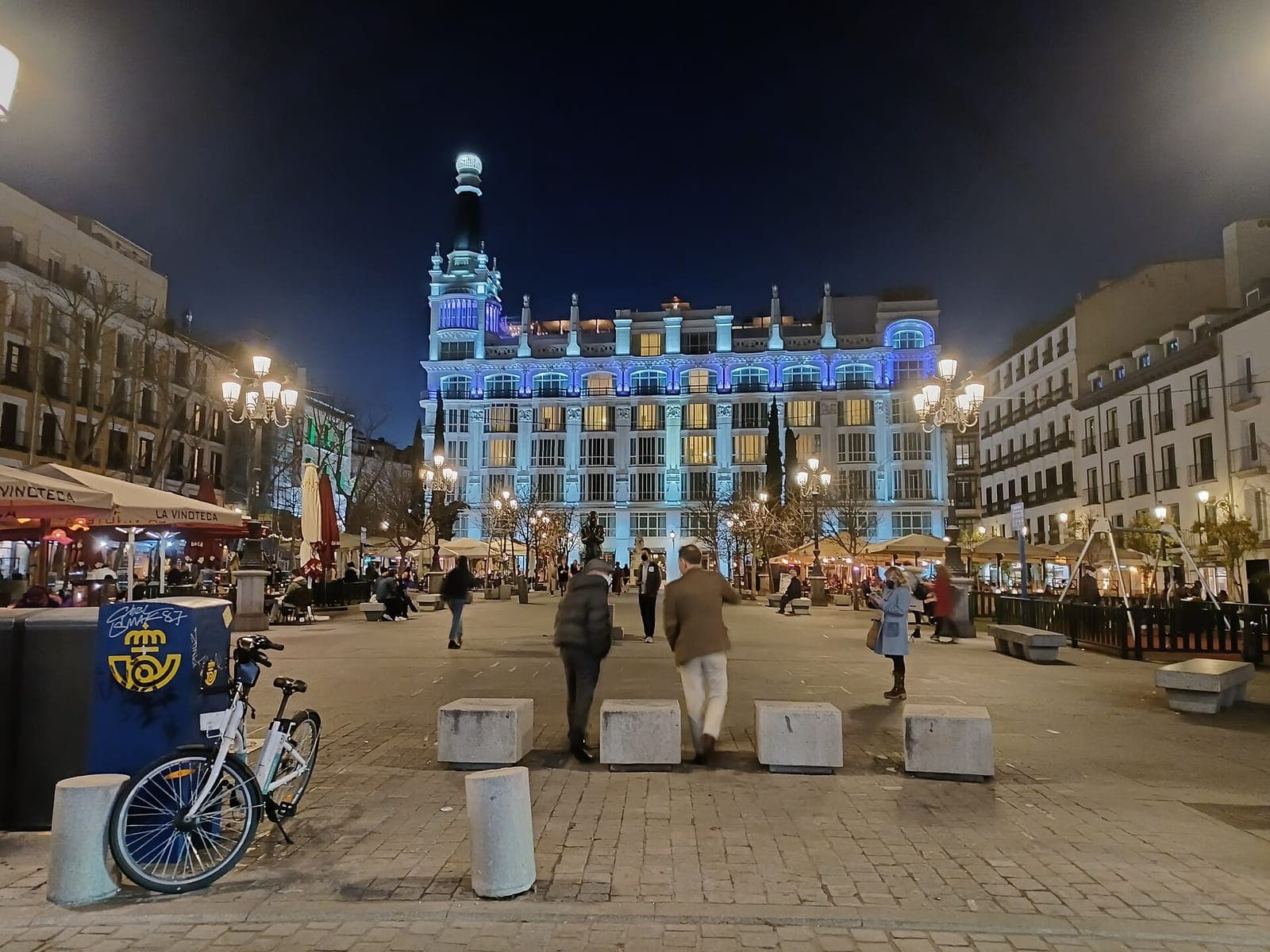
The heart of the neighborhood, Plaza de Santa Ana, has been the meeting point of Madrid's cultural life for centuries. Here were the literary cafés where writers gathered to discuss their works and the literary trends of the moment.
Calle de las Huertas
This street is unique in the world: its cobblestones are engraved with verses from the great writers who inhabited the neighborhood. Walking along Calle de las Huertas is like taking a poetic tour through Spanish literature.
Teatro Español
One of the oldest theaters in Madrid, the Teatro Español has witnessed centuries of theatrical performances. Many of Lope de Vega's works premiered here, keeping alive the dramatic tradition of the Golden Age.
The Barrio de las Letras Today
Today, the Barrio de las Letras maintains its bohemian and cultural essence. Its streets are filled with specialized bookshops, theaters, traditional bars, and restaurants that pay homage to its literary past. The neighborhood has managed to preserve its historic character while adapting to modern times.
For lovers of literature and history, the Barrio de las Letras offers a unique experience: the opportunity to walk the same streets that Cervantes, Lope de Vega, and Quevedo traversed, to visit the places where they created their masterpieces, and to feel the connection with one of the most brilliant periods of Spanish culture.
Frequently asked questions about the Barrio de las Letras
Why is it called the Barrio de las Letras? Because in the 16th and 17th centuries it was home to the great writers of the Spanish Golden Age —Cervantes, Lope de Vega, Quevedo, Góngora— whose mark still lives on in its streets, plaques and verses set into the pavement.
Where is Cervantes buried? In the Convent of the Barefoot Trinitarians, on Calle de Lope de Vega, within the neighborhood itself.
What can you visit today? The Lope de Vega House Museum, the Plaza de Santa Ana, the Teatro Español and Calle de las Huertas with its verses on the pavement, amid bookshops and century-old taverns.
If you want to explore this historic neighborhood in an interactive and unique way, you can live our live Cluedo in the Barrio de las Letras, follow the route through literary Madrid or discover the rest of the must-sees of Madrid.