The Buen Retiro Gardens, popularly known as Retiro Park, represent one of the most important urban green spaces in Europe. With more than 125 hectares in the heart of Madrid, this park is not just a place of recreation but a true testimony to Spanish history, from the splendor of the Golden Age to the modernity of the 21st century.
Royal Origins: The Buen Retiro of Felipe IV
The history of the Retiro begins in the 17th century, during the reign of Felipe IV. The Count-Duke of Olivares, the king's favorite, gifted these grounds to the crown with the intention of creating a place of recreation and rest for the monarchy. The name "Buen Retiro" reflects this function: it was a place where the court could retreat from the bustle of the city.
A royal palace was built accompanied by extensive gardens designed according to the French and Italian fashions of the time. The Buen Retiro Palace became one of the favorite residences of Spanish monarchs, especially during the reign of Carlos III.
The War of Independence and the Transformation
During the War of Independence (1808-1814), the Buen Retiro Palace was practically destroyed by French troops. However, the gardens survived, and this destruction marked the beginning of a new era in the history of the Retiro.
In 1868, following the Glorious Revolution, the gardens were opened to the public, transforming from an exclusive space for royalty into a park for all Madrileños. This democratization of space marked an important milestone in Madrid's urban history.
Iconic Monuments of the Retiro
The Retiro houses some of Madrid's most significant monuments, each with its own fascinating history.
El Palacio de Cristal: Iron and Glass Architecture
Built in 1887 for the Philippines Islands Exhibition, the Palacio de Cristal is one of the Retiro's most iconic structures. Designed by Ricardo Velázquez Bosco, this iron and glass building is inspired by London's Crystal Palace and represents the architecture of the Industrial Revolution.
Today, the Palacio de Cristal functions as an exhibition space for the Reina Sofía Museum, hosting contemporary art installations that dialogue with its historic architecture.
El Estanque Grande: The Heart of the Park
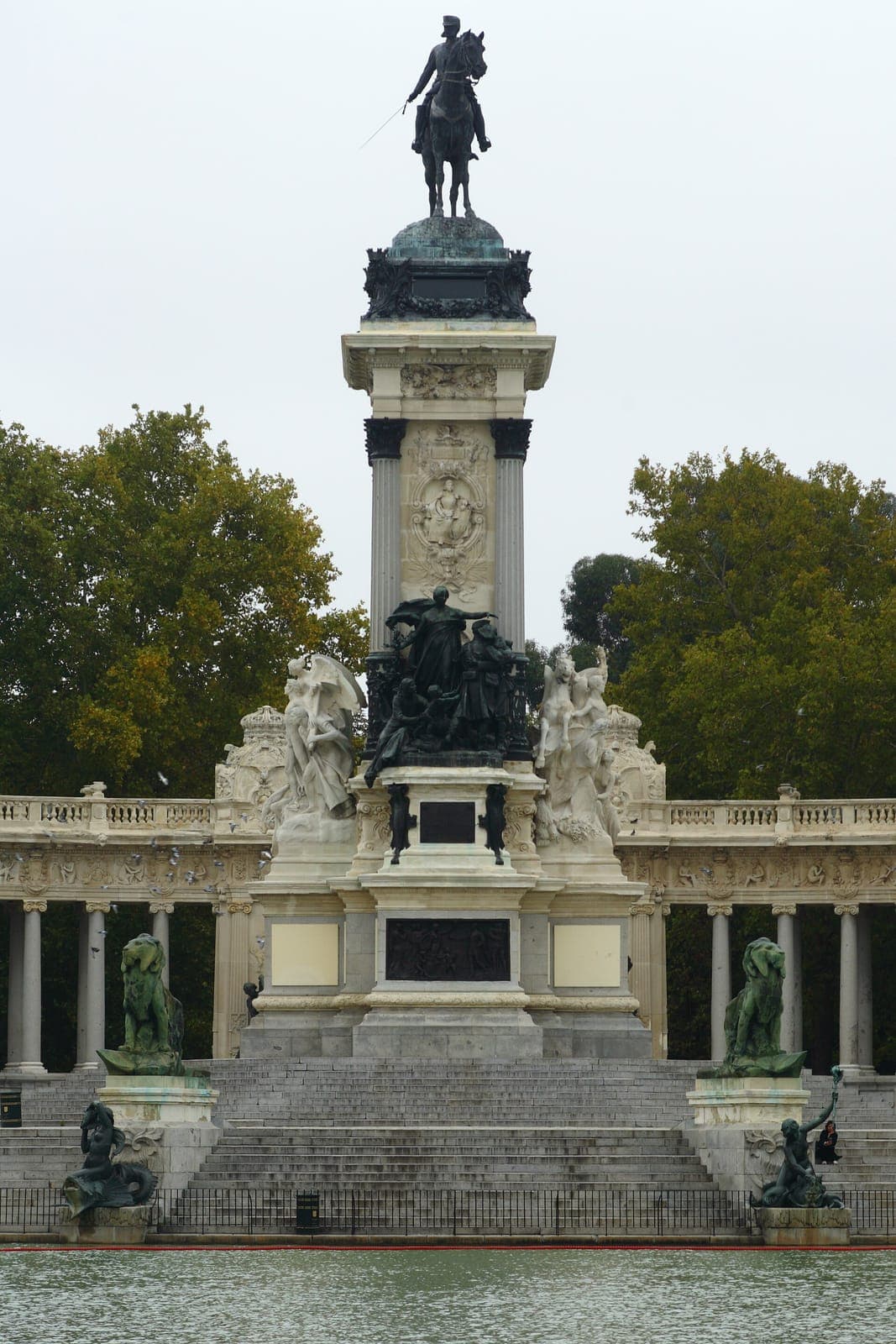
The Estanque Grande is undoubtedly the heart of the Retiro. This artificial lake, created in the 17th century, has been the favorite spot for Madrileños to go boating for more than a century. In the center of the pond stands the monument to Alfonso XII, an impressive colonnade designed by José Grases Riera and inaugurated in 1922.
The monument to Alfonso XII is one of the largest in Madrid, standing more than 30 meters tall with a semicircular colonnade that dominates the park's landscape.
Velázquez Palace: 19th Century Architecture
Built in 1883 for the National Mining Exhibition, the Velázquez Palace (named after its architect, not the painter) is another outstanding example of 19th-century iron architecture. Today it houses temporary exhibitions from the Reina Sofía Museum.
La Rosaleda: A Garden of Over 4,000 Roses
Designed in 1915 by gardener Cecilio Rodríguez, La Rosaleda is a French-style garden that houses more than 4,000 rose bushes of different varieties. It is especially spectacular during the spring and summer months, when the roses are in full bloom.
La Fuente del Ángel Caído: A Unique Sculpture
One of the most fascinating curiosities of the Retiro is the Fuente del Ángel Caído, one of the few public sculptures in the world dedicated to the devil. Created in 1877 by Ricardo Bellver, it represents Lucifer being expelled from heaven. The sculpture is located 666 meters above sea level, a detail that some consider intentional.
UNESCO World Heritage Site
In 2021, the Landscape of Light, which includes the Paseo del Prado and the Retiro, was declared a UNESCO World Heritage Site. This distinction recognizes the unique historical, cultural, and artistic value of this area of Madrid, making it the first historic urban landscape to receive this recognition in Europe.
The UNESCO declaration highlights the unique combination of nature, culture, and art that characterizes the Retiro and the Paseo del Prado, recognizing its importance as a model of sustainable urban development.
The Retiro in Madrid's Daily Life
Today, the Retiro is much more than a historic park: it is a vital space for Madrid's life. Madrileños use it for exercise, strolling, reading, picnicking, attending concerts, or simply relaxing. The park hosts numerous cultural events throughout the year, from book fairs to open-air concerts.
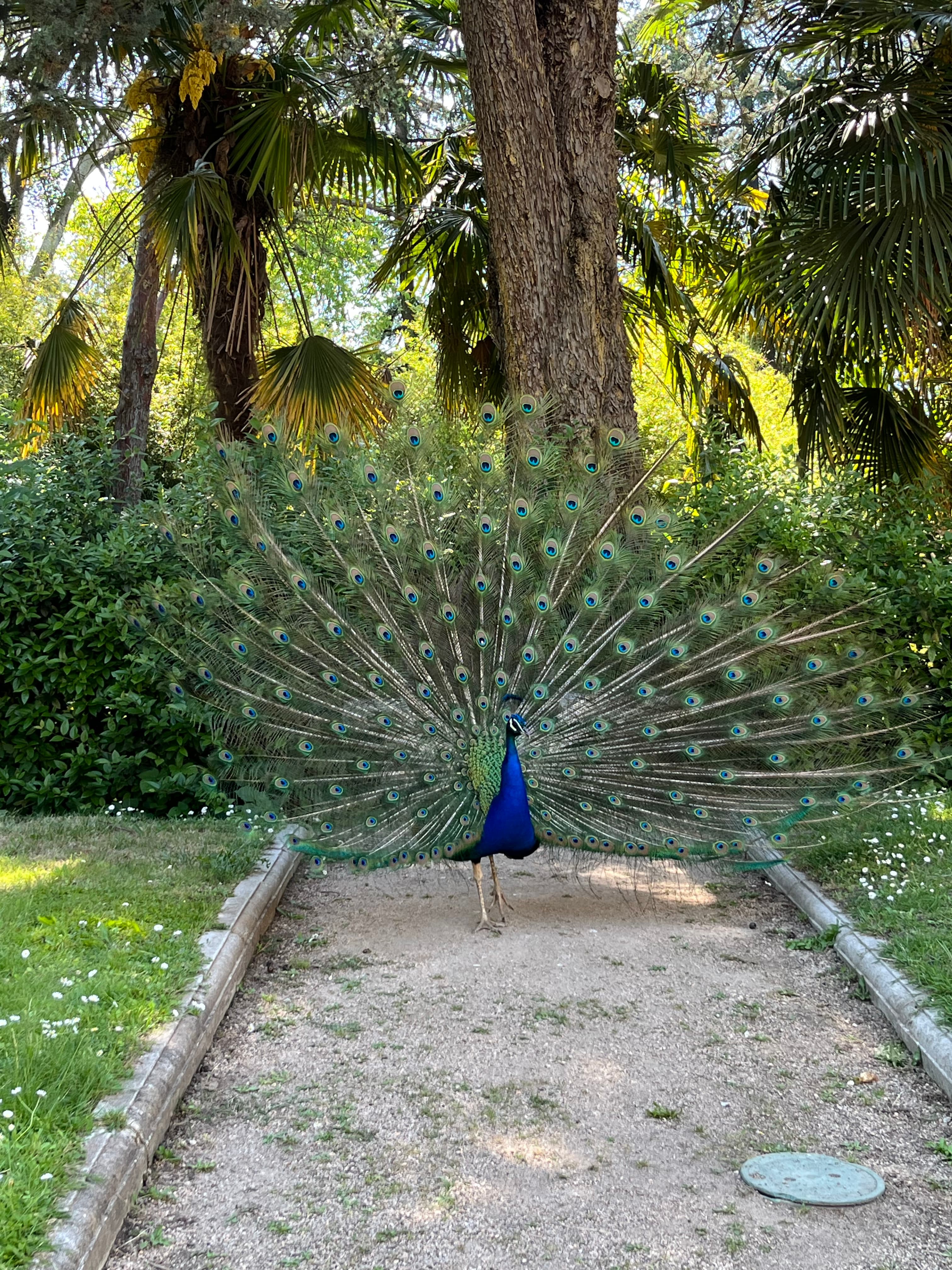
The Retiro is also an important green lung for Madrid, contributing to air quality and providing a habitat for numerous species of birds and other urban wildlife.
Discovering the Retiro: An Ongoing Experience
Exploring the Retiro is an experience that never ends. Each visit can reveal new details, new corners, new stories. From the most well-known monuments to the most secret gardens, the park offers infinite possibilities for discovery.
For those seeking a structured way to explore the Retiro and discover its secrets, there are experiences that combine guided exploration with interactive discovery, allowing you to get to know the park in a unique and memorable way.
Frequently asked questions about Retiro Park
Why is it a World Heritage Site? In 2021, UNESCO declared the Landscape of Light —the Paseo del Prado and the Retiro— a World Heritage Site for its unique combination of nature, culture and art.
What to see in the Retiro? The Palacio de Cristal, the Estanque Grande with the monument to Alfonso XII, the Rose Garden (Rosaleda), the Palacio de Velázquez and the Fountain of the Fallen Angel.
Can you experience it in a different way? Yes: our immersive adventure Jardines del Retiro takes you through the park solving challenges, in Spanish or English.
Looking for more ideas for your visit? Discover the must-sees of Madrid.