Team building has evolved significantly in recent decades. It's no longer just about organizing recreational activities for employees, but about creating experiences that truly strengthen relationships, improve communication, and develop essential teamwork skills.
The Importance of Team Building in the Modern World
In an increasingly complex and competitive business environment, teams that work well together have a significant advantage. Research in organizational psychology has shown that cohesive teams are more productive, creative, and capable of facing complex challenges.
Effective team building goes beyond superficial activities. It's about creating experiences that:
- Foster open and honest communication
- Build trust among team members
- Develop collaboration and problem-solving skills
- Identify and value individual strengths
- Create positive shared memories that strengthen organizational culture
Team Building in Historic Settings: A New Perspective
A growing trend in team building is taking teams out of traditional spaces (offices, hotels, convention centers) and immersing them in historical and cultural settings. This approach offers several unique advantages.
First, historic settings provide a rich context that makes activities more memorable. Second, these spaces take participants out of their usual comfort zone, which can facilitate openness and collaboration. Third, they combine skill development with cultural learning, creating a more complete experience.
Collaborative Experiences in Madrid
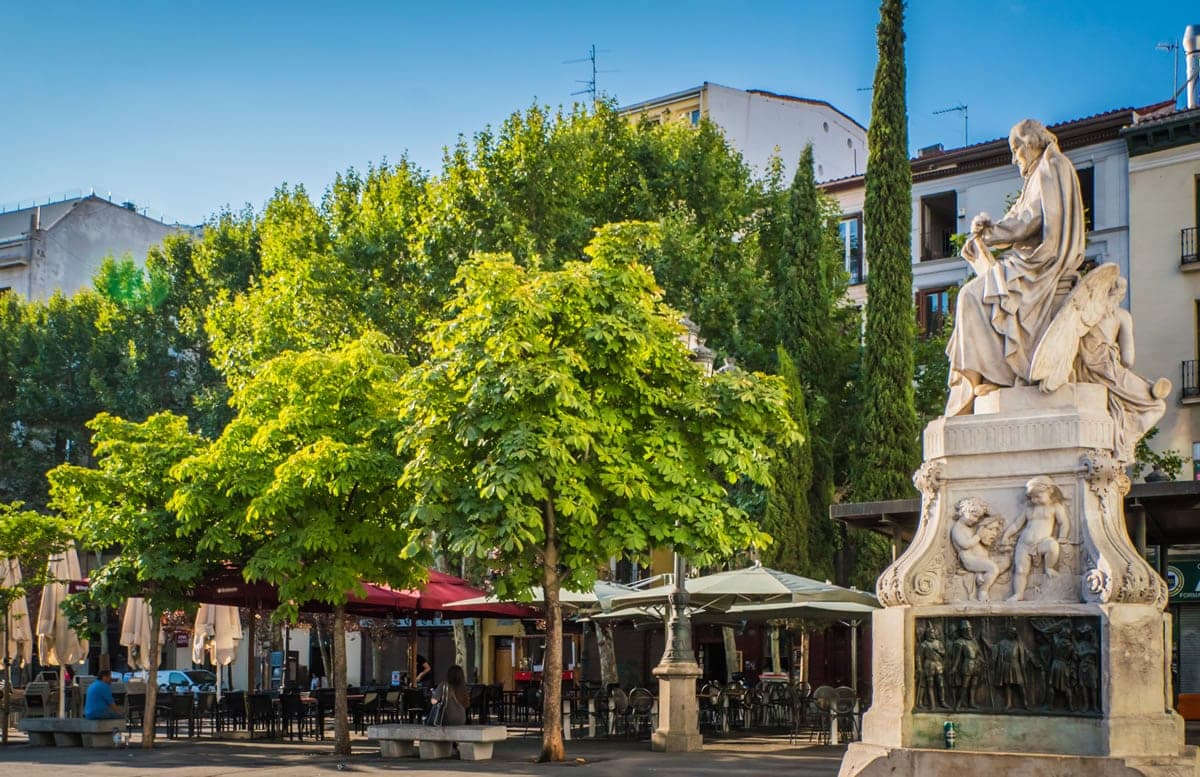
Madrid offers a unique setting for team building activities. The city combines history, culture, and urban spaces that lend themselves perfectly to collaborative experiences.
The Barrio de las Letras: History and Collaboration
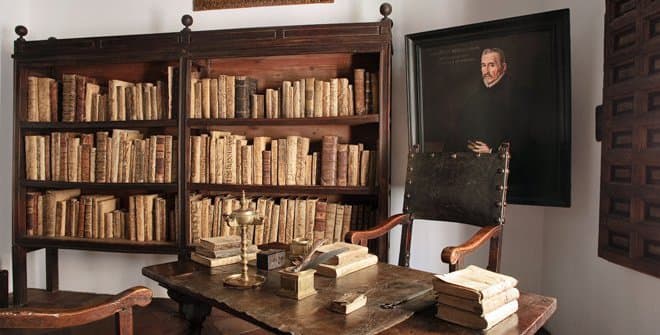
Experiences that take place in the Barrio de las Letras combine historical exploration with collaborative challenges. Teams must work together to solve mysteries while discovering the rich literary history of Madrid.
These types of activities develop specific skills:
- Effective communication: Teams must share information and theories to progress
- Critical thinking: Analyzing clues and connecting information requires logical reasoning
- Collaboration under pressure: Time-based challenges foster efficient cooperation
- Distributed leadership: Different members can lead at different moments based on their strengths
- Attention to detail: Careful observation is essential to solving challenges
Retiro Park: Nature and Teamwork
Retiro Park offers a completely different setting: open spaces, nature, and historic monuments. Activities here tend to focus on coordination, time management, and the ability to work toward common goals.
Skills developed in this context include:
- Spatial coordination: Navigating a large space requires organization
- Time management: Time-limited challenges teach prioritization
- Creativity: Open spaces foster innovative thinking
- Resilience: Physical and mental challenges develop perseverance
- Clear communication: In open spaces, effective communication is crucial
Why These Experiences Work
Team building experiences in historic settings work for several psychological and organizational reasons:
Breaking Down Hierarchies
In a new and unfamiliar environment, traditional office hierarchies become less relevant. This allows team members to interact more equally and discover new working dynamics.
Experiential Learning
Learning through direct experience is deeper and more lasting than theoretical learning. Teams don't just learn about collaboration; they actively practice it.
Creating Shared Narratives
Memorable experiences create shared stories that teams can remember and reference in the future. These narratives strengthen team identity and organizational culture.
Types of Teams That Benefit
Different types of teams can benefit from these experiences in different ways:
New Teams
For newly formed teams, these experiences help establish relationships from the start, creating a solid foundation for future work.
Teams with Communication Issues
Collaborative challenges expose communication problems safely and provide opportunities to practice better ways of interacting.
Remote or Hybrid Teams
For teams that normally work remotely, these in-person experiences are crucial for building human connections that can then be maintained in virtual work.
Teams Facing Change
During periods of organizational transition, these experiences can help teams adapt and find new ways of working together.
Long-Term Impact
The true value of team building is not measured only at the time of the activity, but in how it impacts subsequent daily work. Teams that participate in effective collaborative experiences report:
- Better communication in daily work
- Greater trust among team members
- Better conflict resolution
- Greater creativity and innovation
- Better job satisfaction
If you're interested in exploring team building options in Madrid that combine skill development with cultural discovery, you can discover more about collaborative experiences in historic settings of Madrid.
Frequently asked questions about team building in Madrid
What kind of team building activity works best? Immersive experiences with a narrative —like a street escape room— stand out because they foster collaboration naturally, without forced dynamics.
How many people is it for? They adapt to both small teams and large groups; for larger groups several teams usually play in parallel.
Does it work for international teams? Yes, our experiences are available in Spanish and English.
Looking for concrete ideas? Read our guide to different team building in Madrid or discover our experiences for companies.