Few corners of the Spanish capital pack so much history into so few metres as the Barrio de las Letras. Between Puerta del Sol and Paseo del Prado lies the heart of literary Madrid, the neighbourhood where the great names of the Spanish Golden Age lived, wrote and feuded. If you're wondering what to see in the Barrio de las Letras, this route takes you through its essential streets, its house museums and its hidden corners, in a logical order so you won't miss a thing.
Why It's Called the Barrio de las Letras
The name is no accident. During the 16th and 17th centuries, this neighbourhood —then known as the Barrio de las Musas— was home to most of the writers, playwrights and poets of the time. Cervantes, Lope de Vega, Quevedo and Góngora lived, crossed paths and competed here. Its proximity to the court, affordable rents and cultural buzz made it the epicentre of one of the most brilliant periods in world literature.
Plaza de Santa Ana: The Best Starting Point
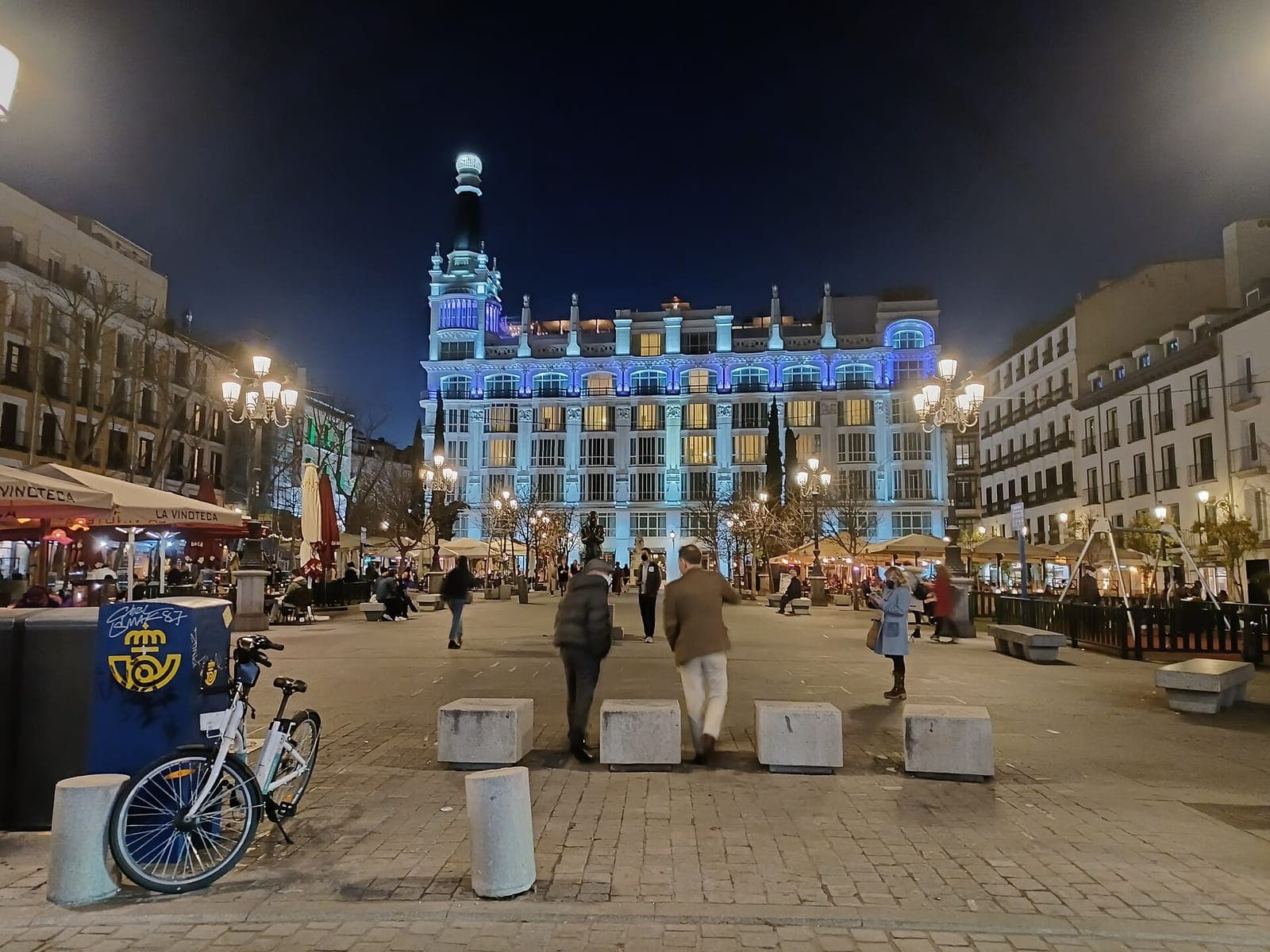
Begin your route at Plaza de Santa Ana. It's the social heart of the neighbourhood and an excellent orientation point: the most interesting streets branch out from here. The square is presided over by a statue of Calderón de la Barca, and on one side stands the Teatro Español, one of the oldest in Europe, built on the site of the old Corral del Príncipe where Golden Age comedies premiered. Terraces, century-old beer halls like Cervecería Alemana and traditional bars surround the square, perfect for a first stop.
Calle de las Huertas: Poetry Underfoot
From Santa Ana, head down Calle de las Huertas, probably the most photographed street in the neighbourhood. Look down: its cobblestones are engraved with verses and quotes from authors like Cervantes, Lope de Vega, Quevedo and Góngora. Walking down Huertas means, quite literally, reading Spanish literature as you stroll. The street connects the neighbourhood with Paseo del Prado, so it's also a natural route towards the great museums.
The Homes of the Great Writers
The literary epicentre of the neighbourhood sits at the crossing of Calle de Cervantes and Calle de Lope de Vega, home to a curious historical paradox.
Lope de Vega House Museum
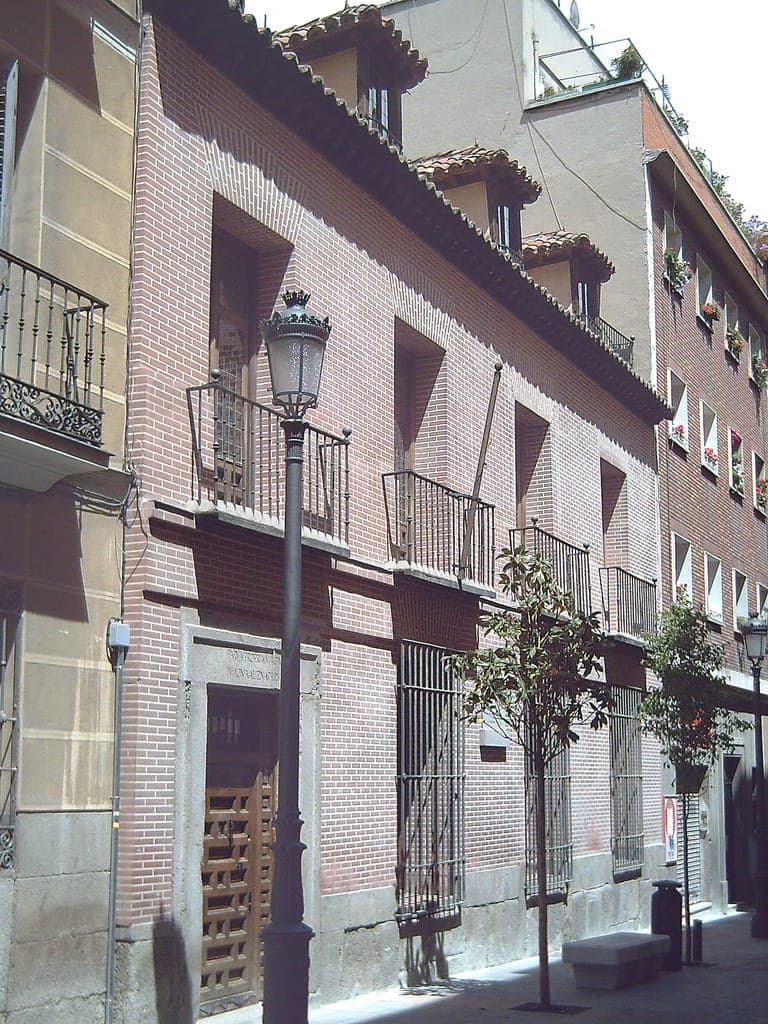
On Calle de Cervantes stands the Lope de Vega House Museum, where the "Phoenix of Wits" spent his final 25 years. The visit, free with prior booking, faithfully recreates a 17th-century home, complete with its garden, study and period furniture. It's one of the most rewarding visits in the neighbourhood.
The Trinitarias Convent and Cervantes
A few metres away, on Calle de Lope de Vega, stands the Convento de las Trinitarias Descalzas, where Miguel de Cervantes was buried in 1616. The irony isn't lost on anyone: Cervantes rests on the street named after his great rival, while Lope lived on the street named after Cervantes. Details like these turn a simple walk into a literary journey.
Corners That Don't Make the Guidebooks
Beyond the obvious, the neighbourhood rewards those who look closely: the Ateneo de Madrid and its famous library, the Iglesia de San Sebastián (resting place of several illustrious writers), the commemorative plaques scattered across façades, the hidden courtyards and the second-hand bookshops that survive among design boutiques. Take your time: the Barrio de las Letras is best enjoyed slowly.
Vermouth: The Essential Stop
No route through the neighbourhood is complete without a vermouth at one of its historic bars. It's a deeply Madrid tradition that lives on in the taverns of Huertas and around. More than a drink, it's a way of understanding the rhythm of the city: a pause to chat, to watch, and to let time go by.
A Different Way to Explore the Neighbourhood
If you want to discover all these places without limiting yourself to looking at them from the outside, there's an alternative that turns the route into an adventure. Our escape room in the Barrio de las Letras combines immersive theatre with professional actors, a mystery set in the 1950s —the death of collector Don Gregorio Montalbán and a lost Lope de Vega manuscript— and a traditional vermouth, all while you explore the neighbourhood's most iconic corners. It starts at Plaza de Santa Ana, lasts around two hours and is available in Spanish and English.
It's the perfect way to round off (or live) this walk through literary Madrid: you tread the same streets as Cervantes and Lope, but this time you're part of the story. Discover what to see in the Barrio de las Letras in a way you won't forget.
Frequently asked questions about the Barrio de las Letras
Why is it called the Barrio de las Letras? Because during the 16th and 17th centuries it was home to the great writers of the Spanish Golden Age —Cervantes, Lope de Vega, Quevedo, Góngora—, who lived and wrote here.
What to see in the Barrio de las Letras? Plaza de Santa Ana, Calle de las Huertas with its verses engraved in the ground, the Lope de Vega House Museum, the Trinitarias Convent where Cervantes rests, and the historic taverns for a vermouth.
How long does it take to explore? A relaxed walking route takes two to three hours; if you add the Lope de Vega House Museum or an immersive experience, set aside half a day.
Want to understand the neighbourhood's history in depth? Read the history of the Barrio de las Letras or discover the must-sees of Madrid.